
Guide Curating Technical Conference Track
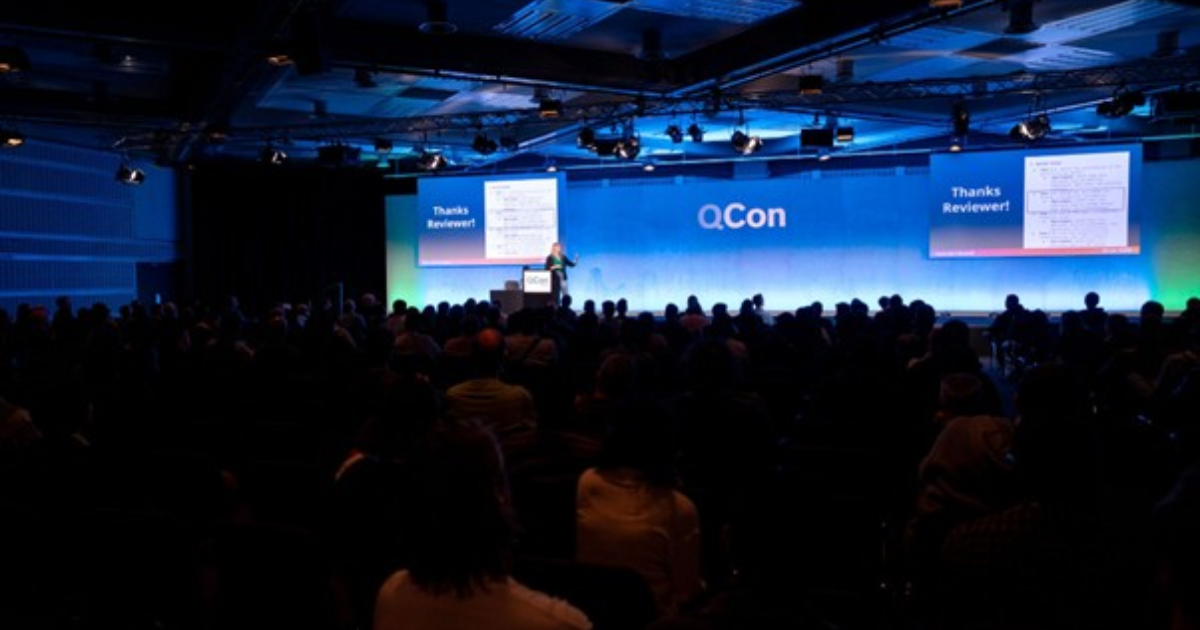
One first-time track host shares the process, constraints, and takeaways from building a track from scratch at QCon London 2025.
/filters:no_upscale()/articles/guide-curating-technical-conference-track/en/resources/1Picture-1-qcon-london-2025-1753689224911.jpg)
One first-time track host shares the process, constraints, and takeaways from building a track from scratch at QCon London 2025. This TensorBlue analysis is based on reporting and source material from InfoQ (https://www.infoq.com/articles/guide-curating-technical-conference-track/).
What Happened
InfoQ Homepage Articles A First-Timer’s Guide to Curating a Technical Conference Track
A First-Timer’s Guide to Curating a Technical Conference Track
Hosting a track at a conference helps you build your professional network. It is a way of giving back to the technical community by raising awareness of various topics through the speakers you bring into the track.
A lot of work and research is required to ensure your track is diverse (both demographically and geographically).
Starting as early as possible (by conducting research, reaching out to speakers, etc.) is key to ensuring that you can secure the speakers you want and find alternatives if your first choices are unavailable.
Clear, consistent communication is key to ensuring speakers know what is required of them, and to ensuring that the conference Programming Committee/organizers know what's happening within your track (and are able to provide assistance if needed).
Having a clear idea of the topics you want to cover in your track will make it easier to find speakers who might be a good fit for it and, later during the conference, promote the track effectively.
About a year ago, a friend of mine asked me if I'd be interested in hosting a track in the 2025 edition of QCon London. Specifically, a track on "Performance and Sustainability in Practice: How to Make Software Greener."
I was keen. There was, however, a sm
This topic matters because it signals where AI product delivery, engineering execution, and technical strategy are moving next.
Implications for Product and Engineering Teams
For TensorBlue readers, the useful question is not just what happened, but how this changes product architecture, engineering priorities, AI delivery, observability, team workflows, or executive decision-making.
- Review whether this changes your AI roadmap, platform architecture, or engineering operating model.
- Identify the specific workflow, reliability, governance, or developer-productivity lesson that applies to your organization.
- Convert the lesson into a small production experiment with measurable quality, latency, cost, adoption, or risk metrics.
- Document source assumptions clearly so teams do not overgeneralize from incomplete public information.
TensorBlue Takeaway
The practical opportunity is to turn this signal into a concrete implementation decision: better AI systems, stronger product instrumentation, more reliable automation, and clearer technical governance. Teams that connect public technology shifts to their own delivery systems will move faster without adding unnecessary complexity.
TensorBlue AI Desk
AI systems, software engineering, and product strategy