
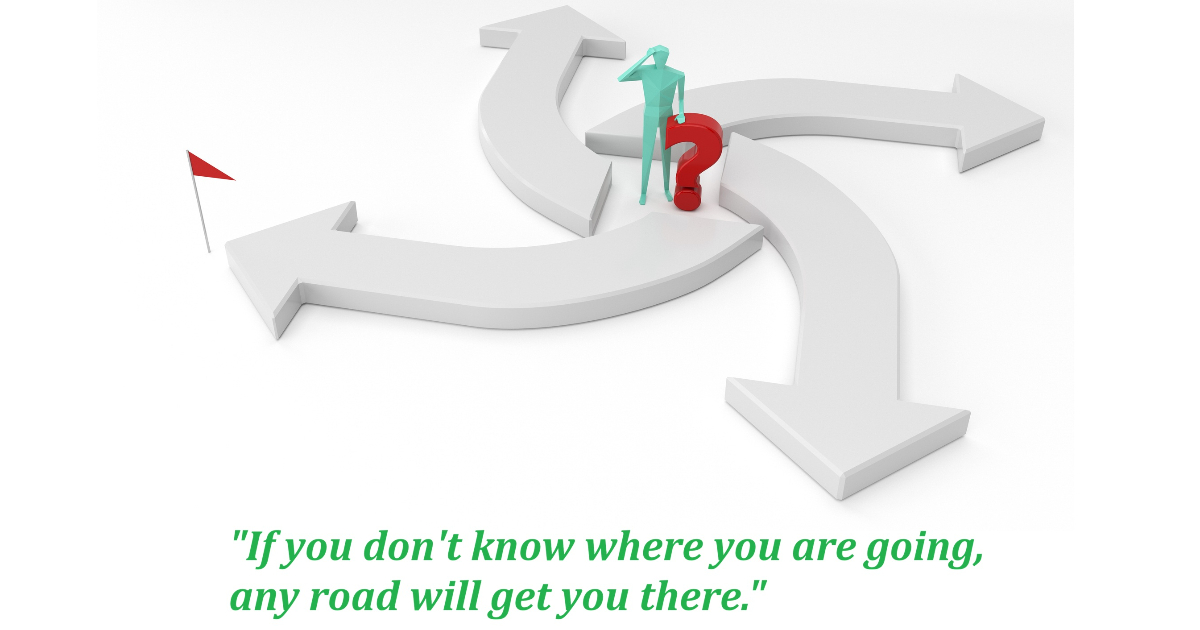
Architects Dilemma
Software teams must decide between proven platforms and custom paths. Experiments reveal if frameworks meet MVP/MVA goals, balancing speed, scalability, and long-term support.
/filters:no_upscale()/sponsorship/topic/de0ef578-a1e4-40a7-9867-d3a689aa05bc/RSB_LOGO_logo-icsaet-nonsquare-1775809093930.png)
Software teams must decide between proven platforms and custom paths. Experiments reveal if frameworks meet MVP/MVA goals, balancing speed, scalability, and long-term support. This TensorBlue analysis is based on reporting and source material from InfoQ (https://www.infoq.com/articles/architects-dilemma/).
What Happened
InfoQ Homepage Articles The Architect’s Dilemma: Choose a Proven Path or Pave Your Own Way?
The Architect’s Dilemma: Choose a Proven Path or Pave Your Own Way?
Like an existing road that makes travel to a desired destination easier, a platform or framework may provide a shorter path to achieve MVP/MVA goals.
Since exact customer needs are usually unknown, the path to a successful MVP/MVA is unclear. A platform or framework may get a team closer but they will often still need to find their own way.
Platforms and frameworks make many decisions for you, some of which you don’t need to make, and some that you won’t agree with.
The only way to know whether a particular platform or framework helps the team make progress toward their MVP/MVA goals is for them to experiment and gather feedback.
Three questions (Is the product worth building? Will the solution perform and scale? Will the solution be supportable over time?) help frame these experiments.
Developing software is like taking a journey on which a team is continually making decisions about which way to go, both about the functionality of what they are building (the MVP), and also about what sort of architecture they need to support the MVP (the MVA).
The main challenge in using this approach is building something quickly enough to release so that the team can get important feedback as soon as possible.
As they seek wa
This topic matters because it signals where AI product delivery, engineering execution, and technical strategy are moving next.
Implications for Product and Engineering Teams
For TensorBlue readers, the useful question is not just what happened, but how this changes product architecture, engineering priorities, AI delivery, observability, team workflows, or executive decision-making.
- Review whether this changes your AI roadmap, platform architecture, or engineering operating model.
- Identify the specific workflow, reliability, governance, or developer-productivity lesson that applies to your organization.
- Convert the lesson into a small production experiment with measurable quality, latency, cost, adoption, or risk metrics.
- Document source assumptions clearly so teams do not overgeneralize from incomplete public information.
TensorBlue Takeaway
The practical opportunity is to turn this signal into a concrete implementation decision: better AI systems, stronger product instrumentation, more reliable automation, and clearer technical governance. Teams that connect public technology shifts to their own delivery systems will move faster without adding unnecessary complexity.
TensorBlue AI Desk
AI systems, software engineering, and product strategy