Optimization In Automated Driving
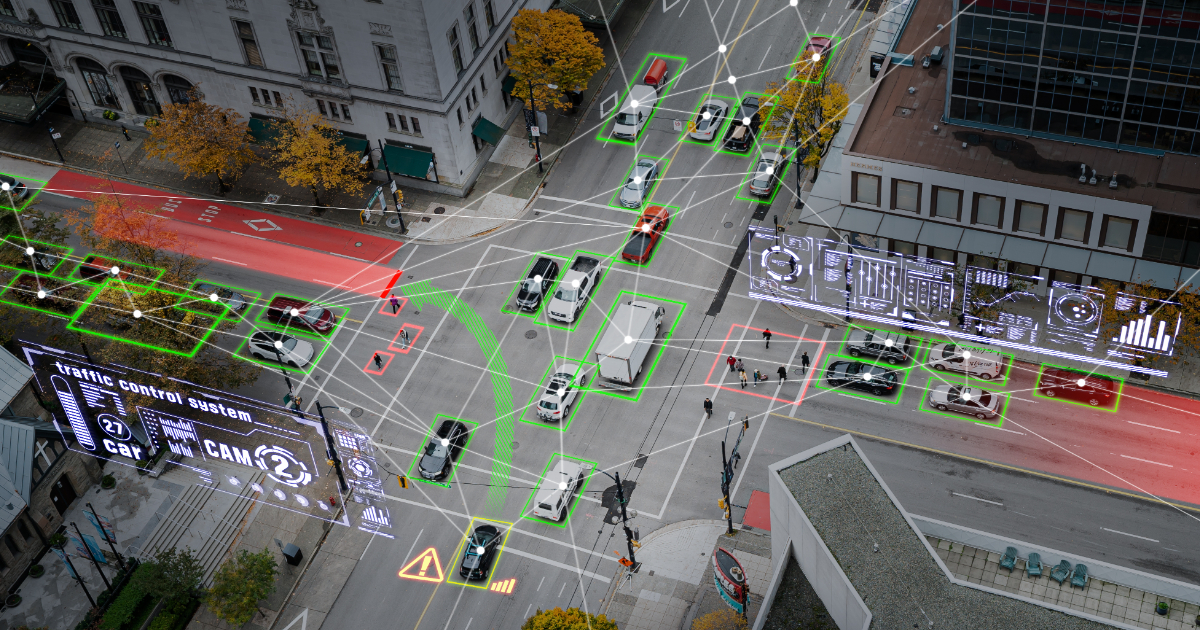
In this article, author Avraam Tolmidis discusses architecture of autonomous vehicles, with focus on optimization techniques like context-aware sensor fusion to help with processing raw sensor data.
/filters:no_upscale()/articles/optimization-in-automated-driving/en/resources/191figure-1-1774348228376.jpg)
In this article, author Avraam Tolmidis discusses architecture of autonomous vehicles, with focus on optimization techniques like context-aware sensor fusion to help with processing raw sensor data. This TensorBlue analysis is based on reporting and source material from InfoQ (https://www.infoq.com/articles/optimization-in-automated-driving/).
What Happened
InfoQ Homepage Articles Optimization in Automated Driving: from Complexity to Real-Time Engineering
Optimization in Automated Driving: from Complexity to Real-Time Engineering
A production-grade AV stack is best understood as a distributed dataflow graph of publish/subscribe components (often cyclic in practice due to feedback and replanning), typically implemented via middleware such as ROS 2 on top of Data Distribution Service (DDS).
Engineering an AV stack is not just writing code that follows logic; it is building a system that manages resources, time, and physics constraints simultaneously.
Optimization in perception often means context-aware prioritization: adjusting sensing, preprocessing, and inference effort to match the current Operational Design Domain (ODD).
Instead of hard-coding rules, engineers define a Cost Function (J) that the solver minimizes.
Many teams treat the compute budget itself as an engineering optimization problem: They measure execution times, allocate cores, set priorities, and tune quality of service (QoS) so the right work happens at the right time.
Autonomous driving systems are often discussed in terms of AI capabilities or high-level ethics. However, for the software architects and engineers building these systems, the reality is a battle against latency, bandwidth, and computational constraints. This article explores the end-to-end te
This topic matters because it signals where AI product delivery, engineering execution, and technical strategy are moving next.
Implications for Product and Engineering Teams
For TensorBlue readers, the useful question is not just what happened, but how this changes product architecture, engineering priorities, AI delivery, observability, team workflows, or executive decision-making.
- Review whether this changes your AI roadmap, platform architecture, or engineering operating model.
- Identify the specific workflow, reliability, governance, or developer-productivity lesson that applies to your organization.
- Convert the lesson into a small production experiment with measurable quality, latency, cost, adoption, or risk metrics.
- Document source assumptions clearly so teams do not overgeneralize from incomplete public information.
TensorBlue Takeaway
The practical opportunity is to turn this signal into a concrete implementation decision: better AI systems, stronger product instrumentation, more reliable automation, and clearer technical governance. Teams that connect public technology shifts to their own delivery systems will move faster without adding unnecessary complexity.
TensorBlue AI Desk
AI systems, software engineering, and product strategy